October 29, 2026
By Dillon Boone | October 29, 2026
Heating, Ventilation, and Air Conditioning (HVAC) systems have become essential in modern living and commercial spaces due to their ability to control indoor climates and improve air quality. These systems have evolved significantly over the decades, driven by technological advancements and the increasing demands of suburban and urban living. This article explores the multifaceted aspects of HVAC services, including their historical development, components, role in energy efficiency, maintenance, innovations, and health and environmental considerations. The evolution of HVAC systems has not only enhanced comfort but also significantly contributed to energy conservation efforts and environmental sustainability. In understanding modern HVAC services, it is crucial to examine how they impact both our day-to-day lives and broader global challenges like climate change and public health.
1. The Historical Development of HVAC Systems
1.1 Early Innovations and Milestones
The history of HVAC systems is marked by several early innovations and milestones, dating back to ancient civilizations. Early heating methods included the Roman hypocaust, a complex system of underfloor heating. Ventilation methods can be traced to natural ventilation techniques used in ancient Persia, where wind towers cooled residential structures. Despite these primitive systems, significant progress was made with the invention of the modern air conditioning system by Willis Carrier in 1902, revolutionizing the control of temperature and humidity in indoor spaces. These early advancements laid the ground for future innovations, gradually bringing about modern HVAC systems that enable precise climate control.
1.2 The Rise of Modern HVAC Technologies
As HVAC systems progressed throughout the 20th century, the focus shifted to enhancing efficiency and environmental friendliness. Innovations like the development of synthetic refrigerants and electric heating systems have significantly transformed the field. The invention of central heating and cooling systems marked the rise of modern HVAC technologies, offering not only comfort but also efficiency improvements. Today, HVAC systems incorporate innovative technologies such as variable refrigerant flow (VRF) systems and advanced thermostat controls that cater to energy efficiency goals. This technological evolution reflects the growing demands for energy-efficient and environmentally sustainable HVAC solutions.
1.3 Key Figures and Inventors in HVAC History
Integral to any technological progress is the role played by key figures and inventors who have shaped the landscape of HVAC systems. Willis Carrier, often referred to as the \"Father of Air Conditioning,\" fundamentally changed how people live and work with his air conditioning invention. Other notable figures include James Harrison, who created the first mechanical ice-making machine, and Warren Johnson, an inventor of early control devices for heating systems. As these pioneers forged ahead, they expanded the capabilities of HVAC systems, making indoor climate control more accessible. Their contributions underscore the innovative spirit that continues to drive advancements in the field to this day.
1.4 Impact of HVAC on Urbanization
HVAC innovations have had a profound impact on urbanization and the habitability of cities. With the ability to control indoor environments effectively, urban areas could accommodate denser populations, fostering economic growth and development. Air conditioning, for example, made it possible to live comfortably in otherwise inhospitable climates, thus enabling the settlement of hot and humid regions. Furthermore, the development of skyscrapers and modern office buildings relied heavily on central HVAC systems for managing temperature across multiple floors efficiently. The widespread adoption of HVAC systems has been pivotal in transforming the urban landscape and supporting the growth of cities worldwide.
2. Understanding HVAC System Components
2.1 Heating Systems and Their Types
Heating systems are a crucial component of HVAC services, providing warmth during colder months. They can be categorized into several types, including furnaces, boilers, and heat pumps. Furnaces are common in residential settings, utilizing natural gas, oil, or electricity to generate heat. Boilers, often found in older buildings, heat water to provide warmth via radiators. Heat pumps, which can both heat and cool spaces, are becoming increasingly popular due to their energy efficiency and ability to use renewable energy sources.
2.2 Ventilation Mechanisms and Their Importance
Ventilation is another critical aspect of HVAC systems, ensuring the circulation of fresh air and the removal of contaminants. There are several methods of ventilation, including natural, mechanical, and hybrid systems. Natural ventilation relies on openings like windows and vents to facilitate airflow, while mechanical ventilation uses fans and ducts for controlled air movement. The importance of ventilation lies in its ability to maintain indoor air quality and prevent health issues related to poor air circulation, making it an essential component of healthy living and working environments. In modern HVAC systems, intelligent ventilation solutions are often integrated to optimize efficiency and air quality.
2.3 Air Conditioning Units and Variations
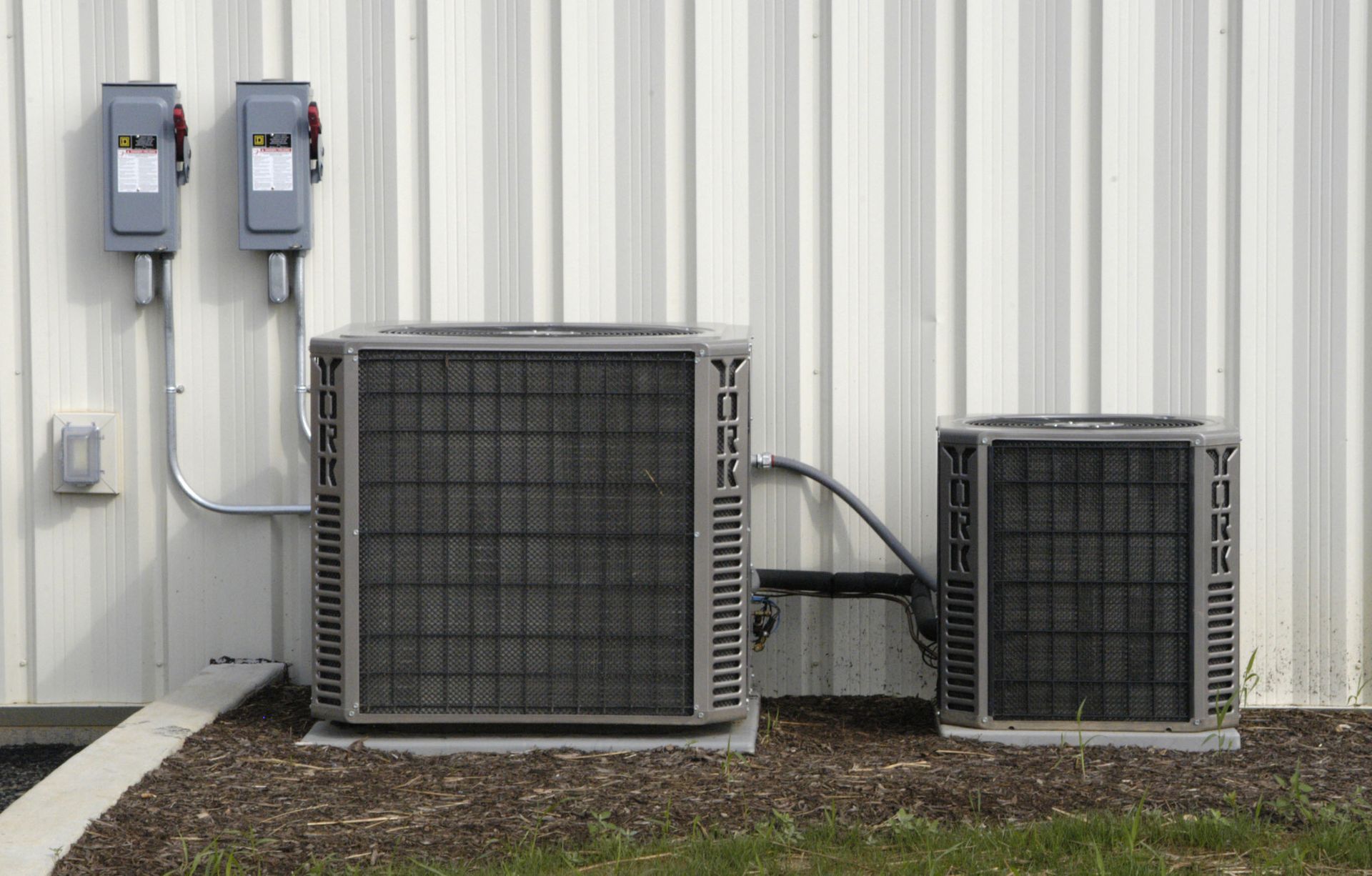
Air conditioning units play a pivotal role in maintaining comfortable indoor temperatures, particularly in warm climates. These units are classified into central air conditioners, ductless mini-splits, and portable or window units, each catering to varying space and usage needs. Central air conditioning systems are common in larger buildings, providing even cooling distribution. Ductless mini-splits offer flexibility and efficiency for specific zones or rooms, whereas portable units are ideal for temporary cooling solutions. The choice of air conditioning system depends on factors such as budget, energy efficiency, and the specific cooling requirements of the space.
2.4 Advanced Filtration and Air Quality Control
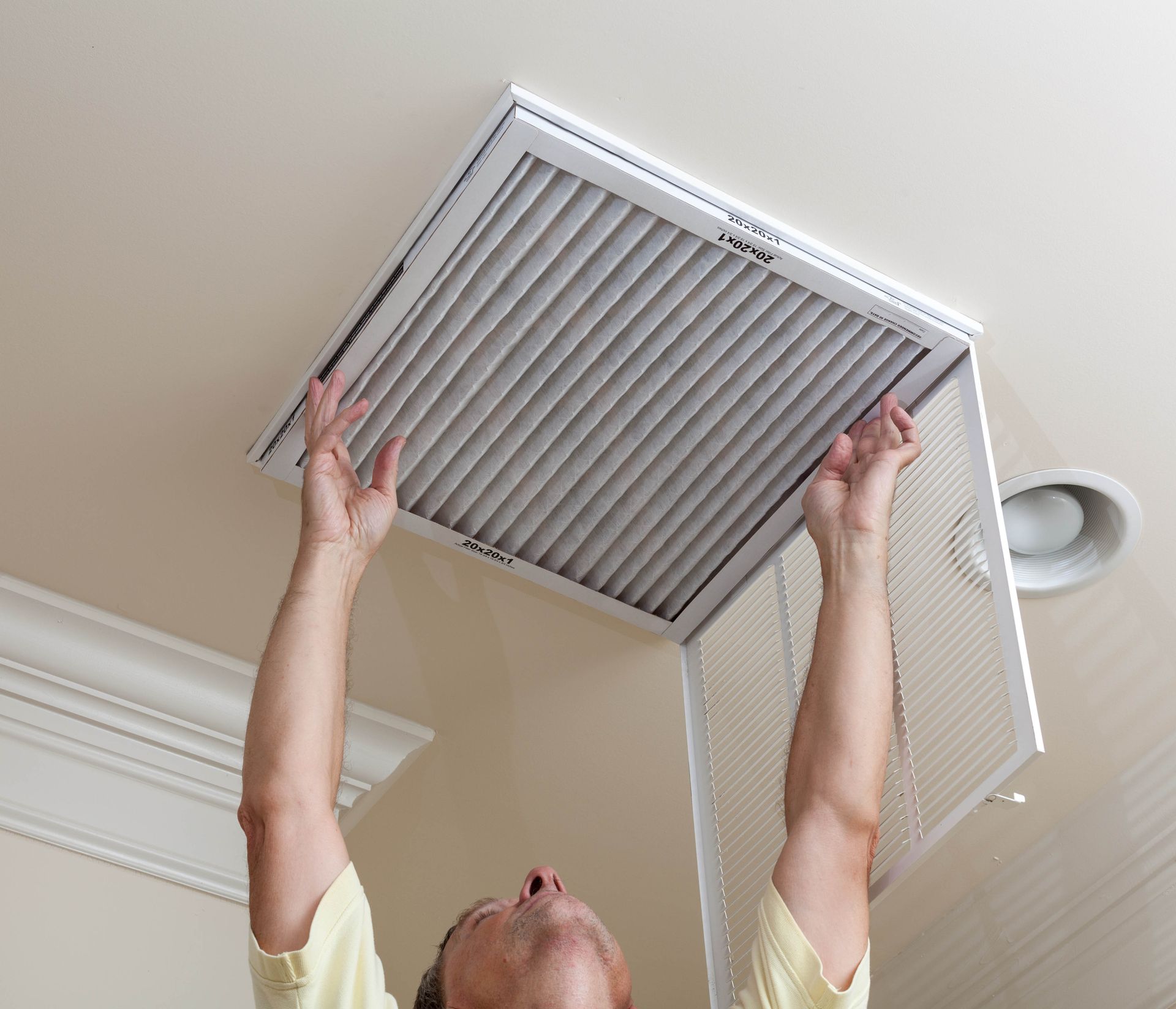
Air filtration and quality control are essential for maintaining a healthy indoor environment, as they help reduce allergens, pollutants, and pathogens. Modern HVAC systems often incorporate advanced filters like HEPA (High-Efficiency Particulate Air) filters, which can trap particles as small as 0.3 microns with high efficiency. UV-C light systems are also employed to kill bacteria and viruses. Innovations in air quality control include the integration of sensors to monitor pollutants and adjust filtration accordingly. These measures highlight the growing emphasis on indoor air quality in HVAC design, driven by increased awareness of health and wellness.
3. The Role of HVAC in Energy Efficiency
3.1 Energy Consumption Patterns in HVAC
HVAC systems are among the most significant energy consumers in residential and commercial buildings. Understanding their energy consumption patterns is essential for identifying opportunities for efficiency improvements. Factors such as system type, usage patterns, and regional climate all affect energy consumption, as do the insulation integrity and building design. On average, HVAC systems account for approximately 40% of building energy use. This highlights the importance of investing in energy-efficient technology and practices to reduce overall consumption and environmental impact.
3.2 Innovations in Energy-Saving HVAC Systems
Continued advancements in HVAC technology have resulted in significant energy efficiency improvements, with a focus on reducing energy use and environmental impact. Energy-saving features such as variable speed motors, smart thermostat controls, and efficient compressors have improved system performance. Geothermal heat pumps and solar-assisted HVAC systems represent cutting-edge alternatives that leverage renewable energy sources. Additionally, HVAC systems with high SEER ratings, ranging from 13 to 26 according to HomeGuide, offer enhanced performance and energy savings. Such innovations are crucial as they ensure that comfort needs are met without compromising on sustainability goals.
3.3 Government Policies and Incentives
Government policies and incentives play a crucial role in promoting the adoption of energy-efficient HVAC systems. Many countries implement building codes and standards requiring higher efficiency ratings for HVAC equipment. Incentive programs such as tax credits and rebates encourage investment in energy-saving technologies. These initiatives not only reduce reliance on fossil fuels but also align with broader climate change goals. Consequently, they drive both manufacturers and consumers towards more environmentally responsible technologies, fostering an industry shift toward sustainable practices.
Sustainable HVAC design focuses on reducing energy consumption while minimizing environmental impact. Eco-friendly designs consider factors such as building orientation, insulation, and material choice to optimize system efficiency. This approach can include the use of renewable energy sources like solar and geothermal to supplement traditional HVAC systems. Building performance modeling during the design process allows for strategic placement and sizing of HVAC systems to meet efficiency objectives. As a result, sustainable design practices contribute to creating energy-efficient, environmentally conscious buildings without sacrificing comfort. Be sure to reach out to A&D HVAC LLC today to learn more about our professional HVAC services!