October 1, 2026
By Dillon Boone | October 1, 2026
Extreme weather conditions can place a significant burden on the heating and cooling equipment in your home, testing its limits and efficiency. Whether you face a scorching summer heatwave or a freezing winter blizzard, relying on your indoor climate control system is essential for comfort and safety. Preparing this equipment for harsh environmental shifts is a detailed process requiring professional expertise. Homeowners who tackle this preparation on their own often miss crucial vulnerabilities, leading to untimely breakdowns during the worst weather. Relying on an experienced HVAC contractor ensures every component is thoroughly evaluated and optimized to handle severe temperature fluctuations. This proactive approach keeps your home comfortable and protects your investment by extending the lifespan of the equipment. Understanding the comprehensive steps taken by professionals to fortify your system helps you appreciate the value of routine preparation. By taking the right measures ahead of time, you can face any forecast with complete confidence.
Conducting Thorough System Inspections
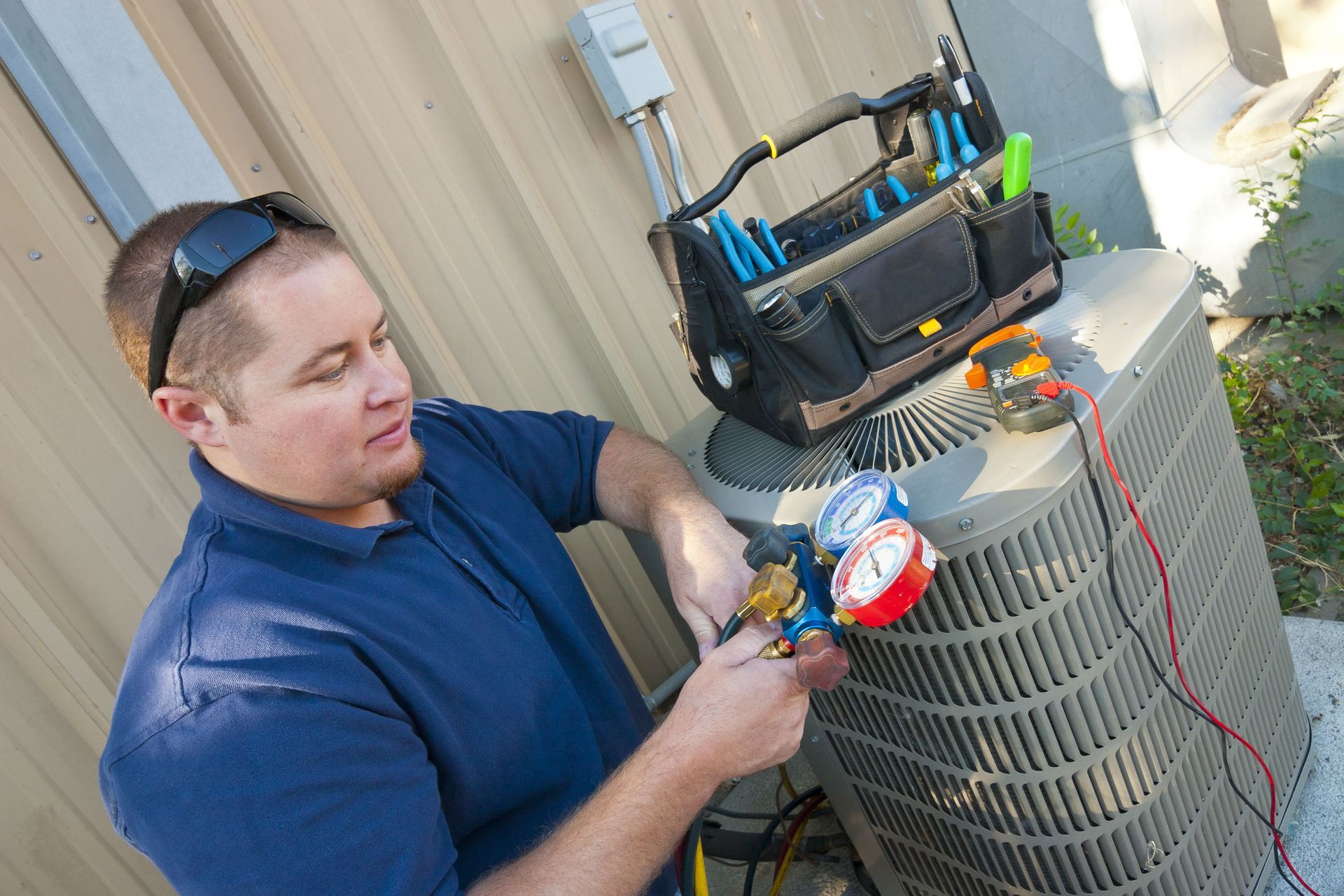
The foundation of weather preparation begins with a meticulous evaluation of the entire heating and cooling setup. During this vital phase, an HVAC contractor examines internal and external elements to identify wear, tear, or developing issues that could lead to failure under stress. This assessment involves checking electrical connections, measuring voltage levels, and ensuring moving parts operate without unnecessary friction. Professionals also scrutinize thermostat calibration to verify temperature readings accurately match environmental conditions inside the home. Recognizing subtle inefficiencies early allows for targeted adjustments that make a significant difference when equipment must run continuously during a severe cold snap or intense heatwave. Furthermore, the inspection includes looking for potential safety hazards, such as compromised wiring or obstructed venting pathways. Addressing these foundational elements ensures the equipment handles increased demand without placing undue strain on any single component. Through this detailed examination, homeowners receive a clear picture of their system's readiness for seasonal challenges.
Performing Essential Preventive Maintenance
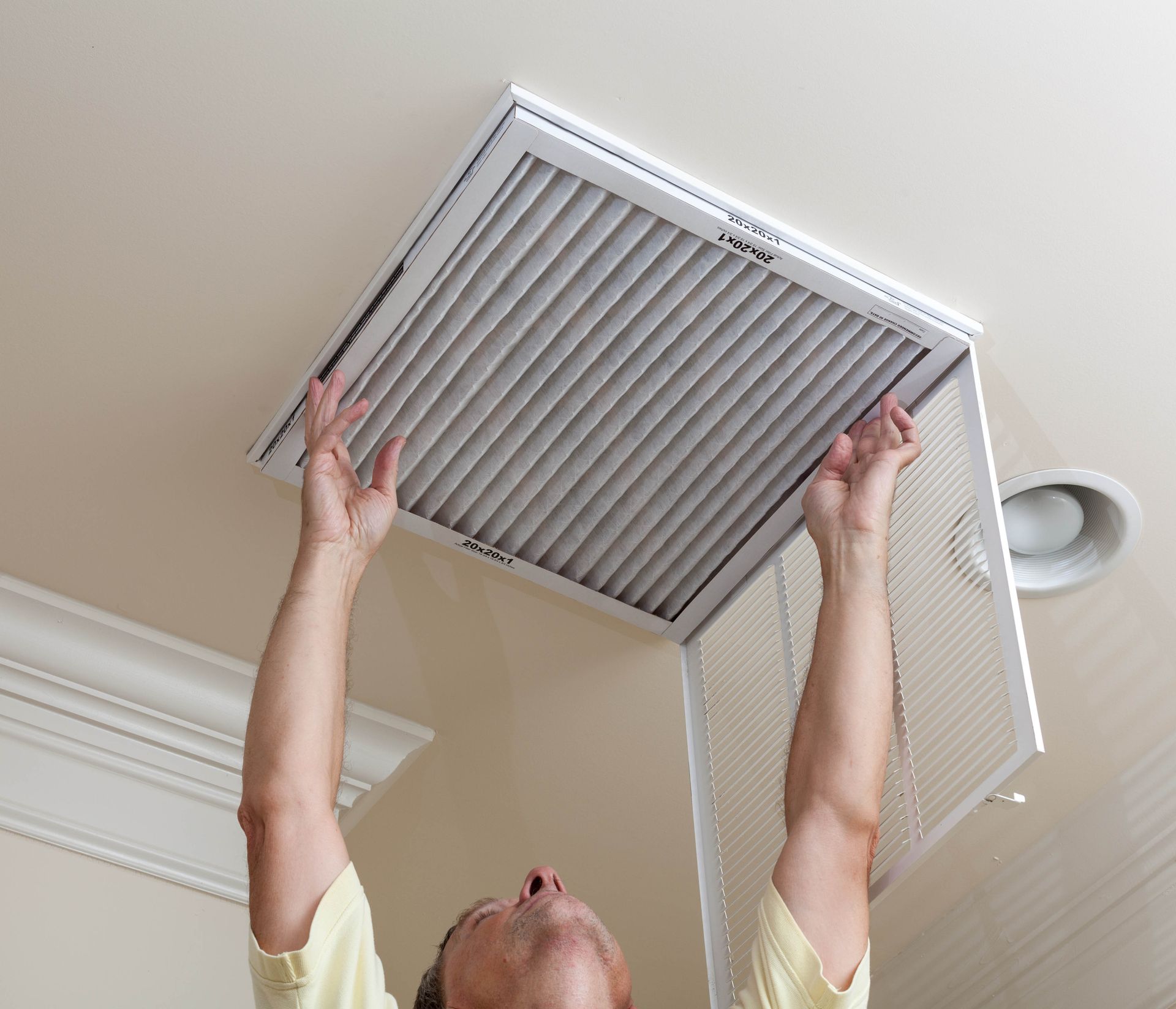
Following a comprehensive inspection, the next critical step is addressing the maintenance tasks that keep the system running smoothly. Routine maintenance involves cleaning the condenser coils, replacing dirty air filters, and clearing out the condensate drain line to prevent water backups and humidity issues. When debris accumulates on the coils, the equipment struggles to release heat efficiently, which causes it to work harder and consume more energy. An experienced HVAC contractor will carefully remove leaves, dirt, and other blockages from the outdoor unit to ensure unobstructed airflow. Lubrication of motors and bearings is another vital maintenance task, as it reduces friction and prevents the motor from overheating during extended periods of operation. Tightening loose belts and checking the refrigerant charge are also necessary to guarantee that the system operates at peak efficiency. These preventive measures directly impact the longevity and reliability of the equipment, especially when it is pushed to its operational limits by extreme external temperatures. Consistent maintenance effectively shields the system from the premature wear associated with severe weather events.
Upgrading and Replacing Failing Components
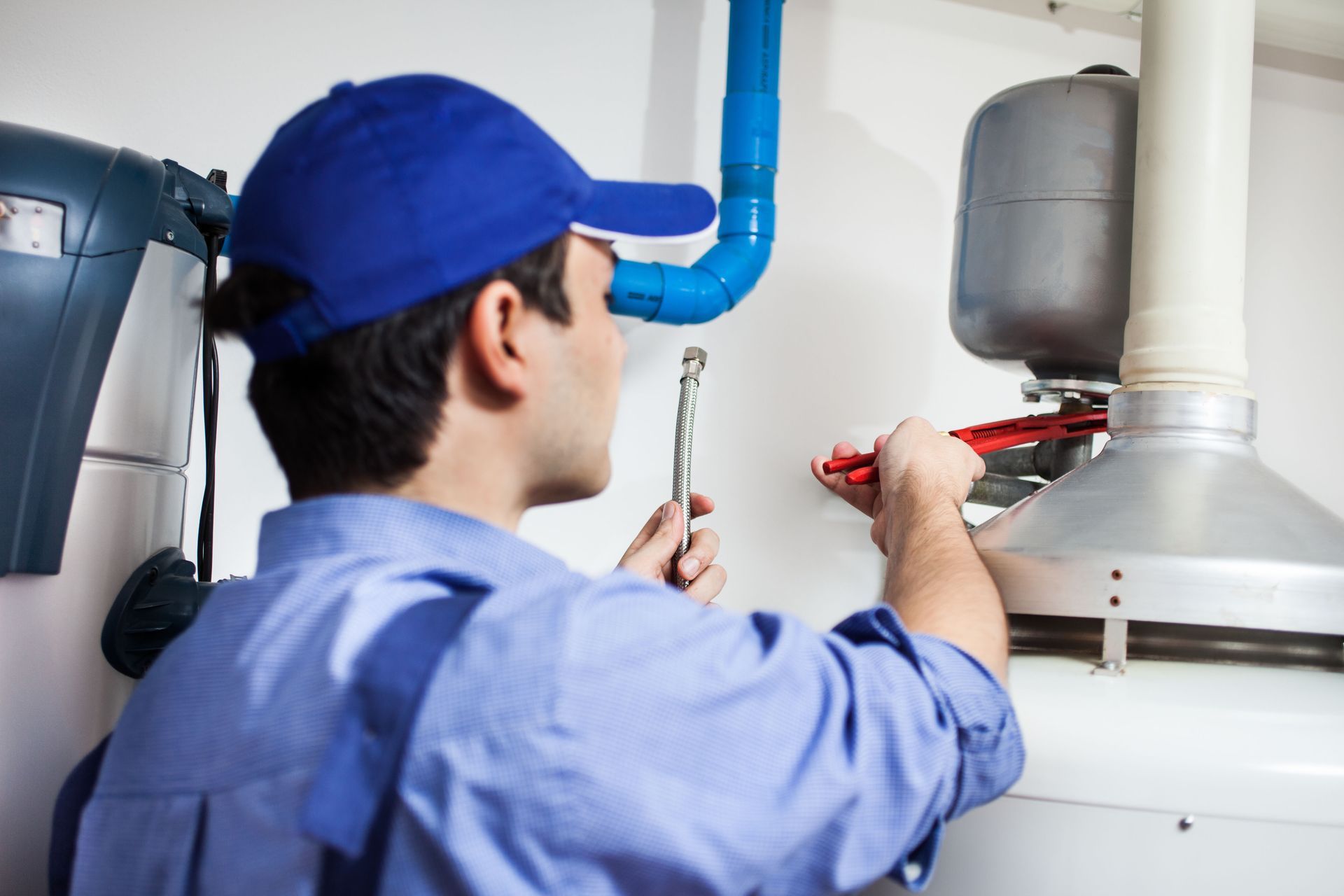
Sometimes, preparation requires more than just maintenance; it demands replacing parts that are no longer capable of withstanding severe weather. Older or damaged parts can compromise the entire system, leading to unexpected outages when you need indoor climate control the most. If the existing setup is severely outdated, it might be necessary to install completely new equipment to ensure reliability and safety. According to HomeGuide, installing an HVAC system usually requires 1 to 2 days when existing ductwork remains in place, or 3 to 5 days when new ductwork must be added. During this process, a skilled HVAC contractor will assess whether replacing specific components, such as a worn-out blower motor or a cracked heat exchanger, is more prudent than a full system overhaul. Upgrading to energy-efficient parts not only prepares the system for extreme weather but also lowers monthly energy bills. Modern components are designed to handle rigorous usage cycles without the energy drain associated with older models. Making these strategic upgrades ensures long-term resilience and uninterrupted comfort during the harshest seasons.
Weatherproofing the Outdoor Unit
Protecting the outdoor portion of your climate control system is an essential aspect of preparing for volatile weather patterns. The exterior compressor unit is constantly exposed to the elements, making it highly susceptible to damage from hail, heavy snowfall, and gale-force winds. To mitigate these risks, a reliable HVAC contractor might recommend installing protective covers or building windbreaks that shield the equipment without restricting necessary airflow. Securing the unit firmly to its concrete pad prevents shifting or tipping during severe storms, which could otherwise sever delicate electrical and refrigerant lines. Additionally, insulating exposed pipes prevents them from freezing and bursting during sudden winter freezes. Proper drainage around the unit is also evaluated to ensure that heavy rainfall does not lead to pooling water, which can cause rust and electrical shorts over time. Taking these proactive steps to weatherproof the external machinery drastically reduces the likelihood of weather-related damage, preserving the core functionality of the system when it is needed the absolute most.
Optimizing Indoor Air Quality
Extreme weather often forces homeowners to keep their windows and doors tightly sealed for extended periods, which can severely impact the air circulating inside the home. Stagnant indoor environments trap dust, allergens, and pet dander, making it difficult to maintain a healthy living space. To combat this, an HVAC contractor evaluates and enhances the filtration and ventilation mechanisms of the climate control system. This may involve installing high-efficiency particulate air filters or integrating whole-home air purifiers that actively scrub contaminants from the environment. Balancing the humidity levels is equally critical, as freezing weather often brings excessively dry air, while heatwaves can introduce oppressive moisture. Adding a whole-home humidifier or dehumidifier directly to the central system ensures that the indoor atmosphere remains comfortable and safe for respiratory health. Furthermore, checking the ductwork for leaks ensures that conditioned and purified air reaches every room without escaping into unconditioned spaces like the attic or crawlspace. These enhancements transform the system into a comprehensive tool for maintaining exceptional indoor air quality during long periods of confinement.
Anticipating Power Outages and Surges
Severe weather events are frequently accompanied by power grid instabilities, including sudden outages and electrical surges. When power is abruptly lost and restored, the resulting voltage spike can cause catastrophic damage to the sensitive circuit boards and motors within your heating and cooling equipment. To protect this investment, a knowledgeable HVAC contractor can install dedicated electrical safeguards directly on the equipment's circuit. These devices act as a crucial barrier, intercepting excess voltage before it fries internal components. Additionally, discussing backup power solutions, such as standby generators, ensures that the system remains operational during extended blackouts. A professional will determine the appropriate generator capacity required to seamlessly power critical components without overloading the backup supply. Anticipating these electrical anomalies is a vital part of comprehensive weather preparedness. By fortifying your system's electrical defenses, you can rest assured your home remains comfortable regardless of the chaos on the local power grid.
Preparing your home for unpredictable and extreme weather is not something that should be left to chance or handled at the last minute. Proactive evaluation, regular maintenance, and strategic upgrades are essential steps for ensuring that your indoor climate control remains reliable, safe, and highly efficient. Taking the time to properly fortify your equipment protects your financial investment and guarantees peace of mind when the forecast takes a turn for the worse. Whether you need an extensive inspection, component replacements, or protective weatherproofing, securing professional assistance makes all the difference in your overall comfort and safety. If you are ready to ensure your home is fully prepared for whatever weather comes your way, call A & D HVAC LLC today to learn more.