June 15, 2026
By Dillon Boone | June 15, 2026
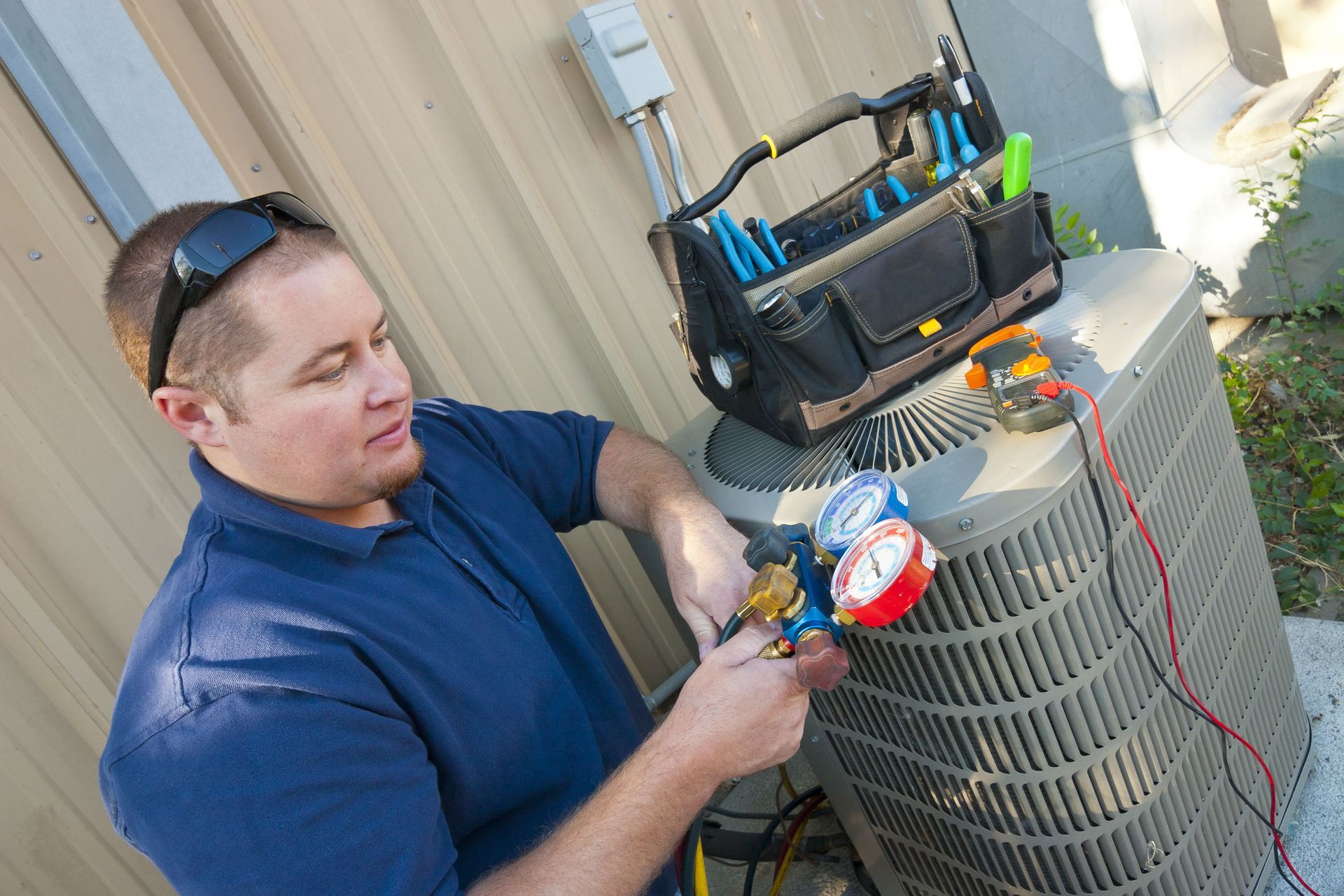
Seasonal changes significantly affect HVAC system performance throughout the year. During winter, heating equipment often operates for extended periods to maintain indoor comfort, while summer temperatures place increased demands on cooling equipment. These constant shifts between heating and cooling cycles can accelerate wear on critical components such as compressors, motors, and fans. Understanding how seasonal conditions influence system operation helps property owners take proactive steps to maintain efficiency and reduce unnecessary strain. Preparing for seasonal transitions is one of the most effective ways to improve system performance. Cleaning coils, replacing air filters, inspecting electrical connections, and testing thermostat functionality help ensure the equipment is ready for changing temperatures. According to IBISWorld, there are approximately 120,000 businesses in the heating and air conditioning contractors industry in the United States, highlighting the growing demand for professional HVAC expertise and ongoing system maintenance. A professional HVAC service can identify potential concerns before they become costly repairs, allowing the system to operate more efficiently during periods of heavy demand.
1. Impact of Extreme Weather
Extreme weather conditions often challenge HVAC systems beyond normal operating parameters. Heat waves may cause cooling equipment to run continuously, while severe cold can reduce heating efficiency and increase energy consumption. Storms, high winds, and heavy precipitation can also damage outdoor equipment or create electrical issues that impact system reliability.
Protecting HVAC equipment from extreme weather involves several preventative measures. Surge protection devices, protective covers, proper drainage systems, and routine inspections can reduce weather-related risks. Property owners who prepare their systems before severe weather arrives often experience fewer breakdowns and lower repair costs. These precautions contribute to consistent performance regardless of outdoor conditions.
2. Humidity Control and Indoor Comfort
Humidity levels play an important role in HVAC performance and indoor comfort. Excess humidity forces cooling systems to work harder because they must remove moisture from the air while lowering temperatures. High humidity can also create an environment conducive to mold growth and poor indoor air quality. Conversely, low humidity levels during winter months can cause discomfort and make indoor spaces feel cooler than they actually are.
Managing humidity effectively requires proper ventilation and equipment adjustments. Whole-home humidifiers, dehumidifiers, and advanced HVAC controls can help maintain balanced indoor conditions. Proper humidity control not only improves comfort but also reduces stress on HVAC equipment and supports healthier indoor air quality.
3. Climate-Specific Challenges
Different geographic regions create unique challenges for HVAC systems. Hot and arid climates often require systems that excel at cooling and air filtration, while humid coastal environments demand enhanced moisture management and corrosion-resistant materials. Cold-weather regions place greater emphasis on heating efficiency and freeze protection.
Selecting equipment that matches local climate conditions improves system longevity and performance. Professional contractors can recommend solutions tailored to regional weather patterns, helping homeowners and businesses maximize efficiency. Customized equipment choices often outperform generic installations and provide more reliable comfort throughout the year.
4. Weatherproofing Strategies
Weatherproofing contributes significantly to HVAC efficiency. Sealing air leaks around doors, windows, and ductwork prevents conditioned air from escaping and reduces the workload placed on heating and cooling equipment. Proper insulation also helps maintain stable indoor temperatures while reducing energy consumption.
Regular inspections of weatherproofing materials help ensure ongoing protection. Damaged seals, deteriorated insulation, and duct leaks can gradually reduce efficiency and increase operating costs. Addressing these issues promptly allows HVAC systems to operate more effectively and maintain consistent indoor comfort.
5. System Size and Capacity Requirements
One of the most important factors influencing HVAC performance is system sizing. Equipment that is too small may struggle to maintain desired temperatures, while oversized systems often cycle on and off too frequently. Both situations lead to inefficiency, increased wear, and inconsistent comfort levels.
Accurate sizing requires a detailed evaluation of the building's characteristics, including square footage, insulation levels, window placement, occupancy patterns, and local climate conditions. Properly sized equipment delivers better comfort, lower energy costs, and improved long-term reliability. A qualified HVAC service provider can perform load calculations to determine the ideal system capacity for a specific property.
6. System Design Considerations
Effective HVAC design extends beyond selecting the right equipment. Building layout, airflow patterns, zoning requirements, and future expansion plans all influence system performance. A thoughtful design ensures that conditioned air reaches every area efficiently and consistently.
Modern designs frequently incorporate zoning systems that allow different areas of a building to maintain separate temperature settings. This approach improves comfort and reduces energy waste. Advanced design strategies also include energy recovery ventilation systems and smart controls that optimize overall efficiency.
7. Ductwork Efficiency and Air Distribution
Ductwork serves as the pathway that delivers conditioned air throughout a building. Poorly designed or damaged duct systems can reduce efficiency, create uneven temperatures, and increase utility expenses. Air leaks and inadequate insulation are among the most common duct-related issues affecting HVAC performance.
Routine duct inspections can identify leaks, blockages, and airflow restrictions before they significantly impact performance. Sealing and insulating ductwork helps maintain proper air distribution while improving overall system efficiency. Effective duct design supports consistent comfort and better indoor air quality.
8. Advancements in HVAC Service
Technology continues to transform the HVAC industry. Variable-speed compressors, smart thermostats, advanced sensors, and high-efficiency motors allow modern systems to operate more precisely and efficiently than previous generations. These innovations help reduce energy consumption while improving comfort.
Smart technology also provides greater control for property owners. Remote access through mobile applications allows users to monitor and adjust settings from virtually anywhere. These capabilities make it easier to optimize energy use and respond quickly to changing indoor conditions.
9. Retrofitting and System Upgrades
Many older HVAC systems can benefit from strategic upgrades. Retrofitting allows property owners to improve efficiency without replacing the entire system. Common upgrades include programmable thermostats, enhanced insulation, improved ductwork, and higher-efficiency components.
Retrofitting often provides a cost-effective path toward better performance. By addressing specific areas of inefficiency, property owners can extend equipment lifespan and reduce operating expenses. An experienced HVAC service professional can recommend upgrades that deliver the greatest return on investment.
10. Installation Quality and Performance
Even the most advanced HVAC equipment cannot perform effectively if it is installed incorrectly. Common installation errors include improper sizing, incorrect refrigerant levels, poor duct connections, and inadequate airflow balancing. These issues can lead to higher energy bills and reduced equipment life.
Professional installation helps ensure that every component functions according to manufacturer specifications. Proper installation improves efficiency, enhances reliability, and minimizes the likelihood of future repairs. Quality workmanship lays the foundation for long-term system success.
11. Maintenance Practices and System Reliability
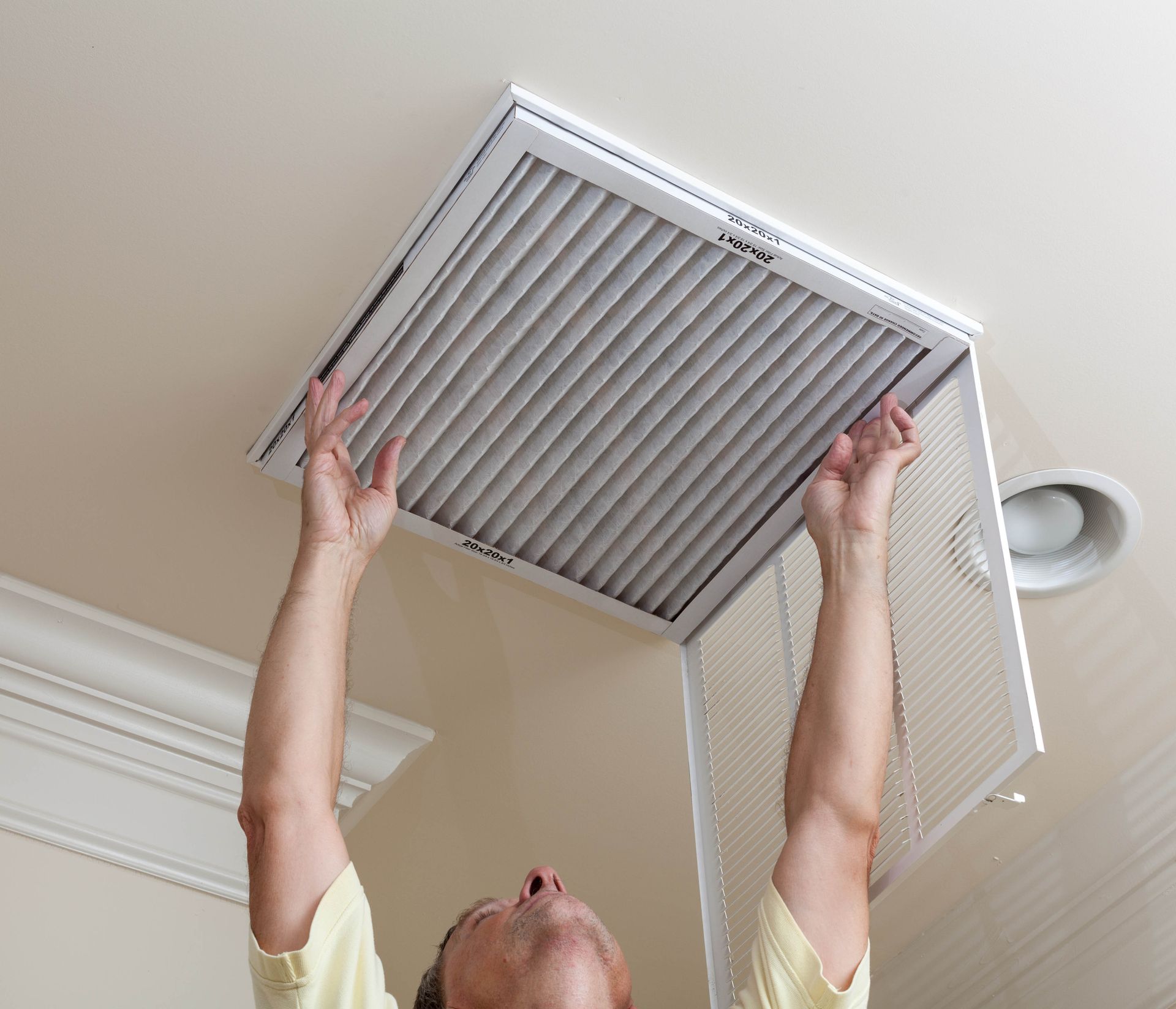
Routine maintenance remains one of the most important factors influencing HVAC performance. Regular inspections, filter replacements, coil cleaning, and system testing help identify potential problems before they lead to major failures. Preventative maintenance also improves energy efficiency and extends equipment lifespan.
Property owners who follow a structured maintenance schedule typically experience fewer unexpected breakdowns and lower operating costs. Regular HVAC service allows technicians to detect wear, verify performance, and make necessary adjustments that keep the system operating at peak efficiency throughout the year.
12. Long-Term Performance and Energy Efficiency
Long-term HVAC performance depends on a combination of proper sizing, quality installation, effective maintenance, and environmental considerations. Systems that receive consistent care generally provide better comfort, lower utility costs, and longer operational life. Monitoring system performance over time helps identify opportunities for improvement and energy savings.
As HVAC technology continues to evolve, property owners have more options than ever for improving efficiency and sustainability. By understanding the factors that influence performance throughout the year, homeowners and businesses can make informed decisions that maximize comfort, reliability, and energy efficiency for years to come. Contact A&D HVAC LLC today to get connected with our HVAC services.