Indoor air quality (IAQ) plays a major role in the comfort, health, and function of any home or commercial space. The air inside a building can contain dust, allergens, moisture, odors, chemical particles, and airborne contaminants that affect how people feel every day. Heating, cooling, and ventilation systems do much more than regulate temperature. They also influence how effectively indoor air is filtered, circulated, balanced, and refreshed. When these systems are properly designed and maintained, they can support a cleaner and healthier indoor environment.
As buildings become more tightly sealed for energy efficiency, indoor air concerns have become even more important. Pollutants that might once have escaped more easily can remain trapped inside without the right airflow and filtration strategies. That is why homeowners and property managers often rely on an experienced HVAC contractor to evaluate system performance and identify ways to improve air quality. According to IBISWorld, the heating and air conditioning contractors industry in the United States is valued at $159.4 billion in 2026, highlighting the growing demand for professional expertise in maintaining system performance and improving indoor environments. A closer look at filtration, ventilation, humidity, temperature, ductwork, and emerging technology shows just how much these systems contribute to the air people breathe every day.
1. Filtration Performance and Particle Removal
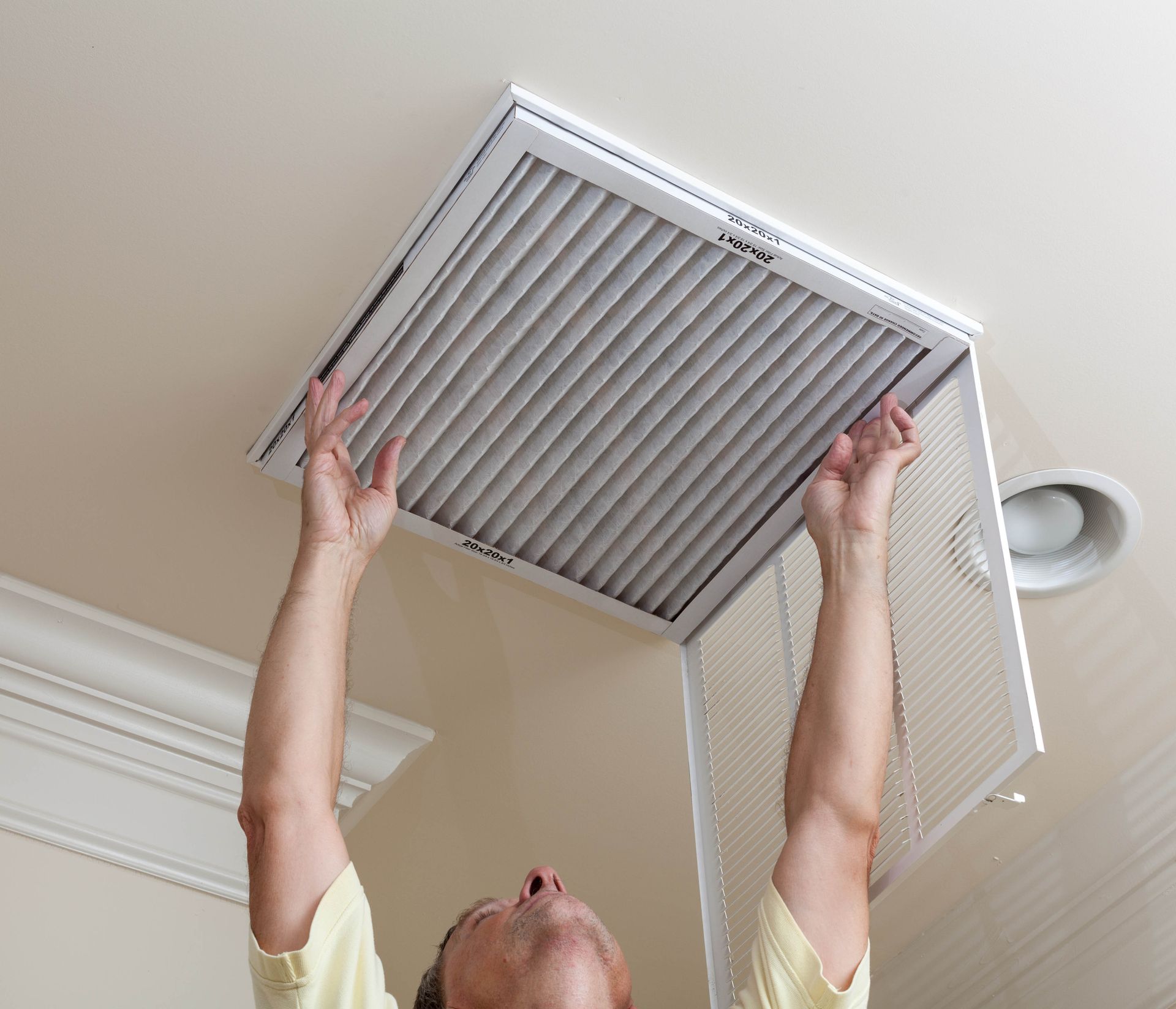
Filters serve as one of the most important defenses against indoor air pollutants. As air moves through a heating and cooling system, the filter captures particles that would otherwise continue circulating throughout the building. Common filter options include fiberglass, pleated, electrostatic, and high-efficiency models. Fiberglass filters are often inexpensive, but they generally capture larger particles only. Pleated filters tend to offer better performance because their larger surface area allows them to trap more dust, pollen, and debris without restricting airflow as quickly.
Regular filter maintenance has a direct effect on IAQ. When a filter becomes clogged, airflow drops and the system may struggle to maintain consistent performance. That buildup can also allow contaminants to remain in circulation and may place extra strain on system components. Replacing filters on schedule helps maintain airflow and keeps pollutant capture more effective. An HVAC contractor can also recommend the right replacement schedule based on household conditions and system type.
HEPA and activated carbon filters can provide added support in certain environments. HEPA filtration is highly effective for very fine particles, while activated carbon is helpful for odors and gaseous pollutants. Not every system can accommodate these upgrades, so compatibility matters. A qualified HVAC contractor can help determine which filtration approach matches the home, the existing equipment, and the specific air quality concerns present indoors.
2. Ventilation and Fresh Air Exchange
Ventilation is essential because even the best filter cannot solve every indoor air problem on its own. A building needs a steady exchange of stale indoor air and fresh outdoor air to reduce pollutant buildup. Without proper ventilation, contaminants such as carbon dioxide, volatile organic compounds, cooking byproducts, and moisture can collect indoors. This may lead to odors, discomfort, and potential health concerns over time. Effective ventilation helps dilute these pollutants and supports a fresher indoor environment.
Natural ventilation through windows and doors can help in mild weather, but it is not always reliable. Outdoor allergens, temperature extremes, humidity, or pollution may limit when it is practical. Mechanical ventilation systems offer more consistent results by actively managing airflow. Exhaust fans, supply ventilation, balanced systems, and whole-home ventilators can all support healthier indoor conditions when selected and installed correctly. Working with an HVAC contractor helps confirm that ventilation systems are properly sized and balanced for the space.
Ventilation rates also matter. Too little air exchange can allow pollutants to linger, while too much can affect comfort and energy use. Properly balanced airflow helps maintain comfort while limiting unwanted pressure changes that may draw contaminants in from attics, crawl spaces, garages, or wall cavities. A well-planned system supports both air quality and efficiency, which is why ventilation design should never be treated as an afterthought.
3. Humidity Control and Moisture Management
Humidity has a major influence on how indoor air feels and how healthy it is. When humidity rises too high, it creates conditions that support mold, mildew, bacteria, and dust mites. These issues can damage surfaces and worsen respiratory irritation for occupants. When humidity drops too low, the air can become dry and uncomfortable, leading to irritated skin, dry throats, and static electricity. Balanced humidity helps make the indoor space feel better while reducing common IAQ problems.
Heating and cooling systems often play a central role in moisture control. Air conditioners naturally remove some humidity during the cooling process, while integrated humidifiers or dehumidifiers can provide more targeted control when seasonal conditions shift. Maintaining indoor humidity between about 30 and 50 percent is often considered a useful range for comfort and indoor air performance. An HVAC contractor can assess whether additional humidity control equipment is needed to maintain this balance.
Humidity control equipment also needs regular upkeep. If components are neglected, they can become a source of contamination rather than a solution. Water reservoirs, drain lines, and related parts must remain clean and functional to prevent buildup. Property owners who notice condensation, musty odors, damp surfaces, or persistent dryness should have the system evaluated promptly so moisture problems do not expand into larger IAQ concerns.
4. Temperature Stability and Indoor Comfort
The temperature and air quality inside a building are closely connected. High temperatures can increase the release of volatile organic compounds from paint, flooring, furniture, and other materials. Extremely cool areas may encourage condensation, especially when moisture is present. Wide temperature swings can also make occupants uncomfortable and may aggravate humidity-related issues. Consistent temperature control helps create a more stable indoor environment where air quality is easier to manage.
Modern thermostats and zoning features can improve this balance by reducing unnecessary fluctuations. Instead of allowing spaces to become too hot or too cold, these controls help maintain steadier conditions throughout the day. More stable temperatures often support better humidity performance and reduce the likelihood of hidden moisture problems. This connection between comfort and IAQ is one reason many building owners consult an HVAC contractor when uneven heating or cooling begins affecting daily indoor conditions.
Energy efficiency also plays a role here. Efficient systems are often better at maintaining steady operation instead of cycling erratically. That steadier performance can support more consistent filtration, dehumidification, and airflow. In other words, comfort improvements and IAQ improvements frequently work together when the system is operating as intended.
5. Ductwork Condition and Air Distribution
Ductwork acts as the delivery path for conditioned and filtered air, so its design and condition have a direct effect on indoor air quality. Poorly designed ducts can create airflow imbalances, leaving some rooms under-ventilated and others over-conditioned. Leaky ducts may pull in dust, insulation particles, or contaminants from unconditioned spaces before distributing them indoors. Even strong heating and cooling equipment can struggle to maintain healthy air if the duct system is compromised.
Routine inspections also give homeowners a clearer understanding of how their system is performing through the seasons. A trusted HVAC contractor can check airflow, verify humidity performance, inspect duct conditions, and make sure ventilation components are operating properly. These steps help protect both the equipment and the indoor environment. With ongoing attention to filtration, airflow, moisture control, and system cleanliness, HVAC equipment can play a strong role in creating cleaner, healthier indoor air year-round. Contact A&D HVAC LLC today and learn more about our HVAC services.