Keeping a home comfortable during the summer months requires a functional air conditioning system. When temperatures climb above 80 degrees, a compromised unit will struggle to distribute conditioned air properly, in our experience as an HVAC contractor. Homeowners often notice climbing utility bills and inconsistent indoor climates before a complete system failure happens. Scheduling timely HVAC repairs can restore normal operation and help lower monthly energy costs. Understanding how different maintenance tasks impact cooling performance allows you to make smart decisions for your property.
A poorly performing unit does more than just make your living space uncomfortable. It places strain on internal mechanisms, leading to premature wear and expensive replacements down the line. By identifying common issues early, you can take proactive steps to improve efficiency and extend the lifespan of your equipment. We'll explore four specific areas where targeted attention makes a significant difference in how well your system regulates indoor temperatures. Knowing what to look for helps you keep your home cool and relaxing all summer long.
1. Seal Leaks in Damaged Ductwork
The network of ducts running through your attic or crawlspace serves as the delivery mechanism for conditioned air. Over time, these pathways can develop cracks, loose joints, and small holes. When this happens, the cold air generated by your air conditioner escapes into unoccupied spaces before it ever reaches your living areas. You end up paying to cool an unfinished basement or a hot attic instead of your bedroom or living room.
Fixing these breaches stands out as a highly effective method to optimize your entire system. Professional duct sealing involves locating hidden gaps and applying specialized mastic or metal foil tape to close them completely. These targeted HVAC repairs stop air loss immediately and ensure proper airflow reaches every room in the house. Your unit won't have to run as frequently to hit the target temperature on your thermostat, which reduces overall mechanical strain.
The financial and operational benefits of resolving ductwork vulnerabilities are substantial. According to This Old House, duct sealing can improve the efficiency of an HVAC system by up to 20%. That level of improvement translates directly to noticeable savings on your monthly utility bills. It also means improved indoor air quality, since sealed ducts prevent dust and allergens from being pulled into the airflow from unfinished spaces. Addressing this problem provides an excellent return on your investment while maximizing overall comfort.
2. Upgrade Inadequate Filtration Systems
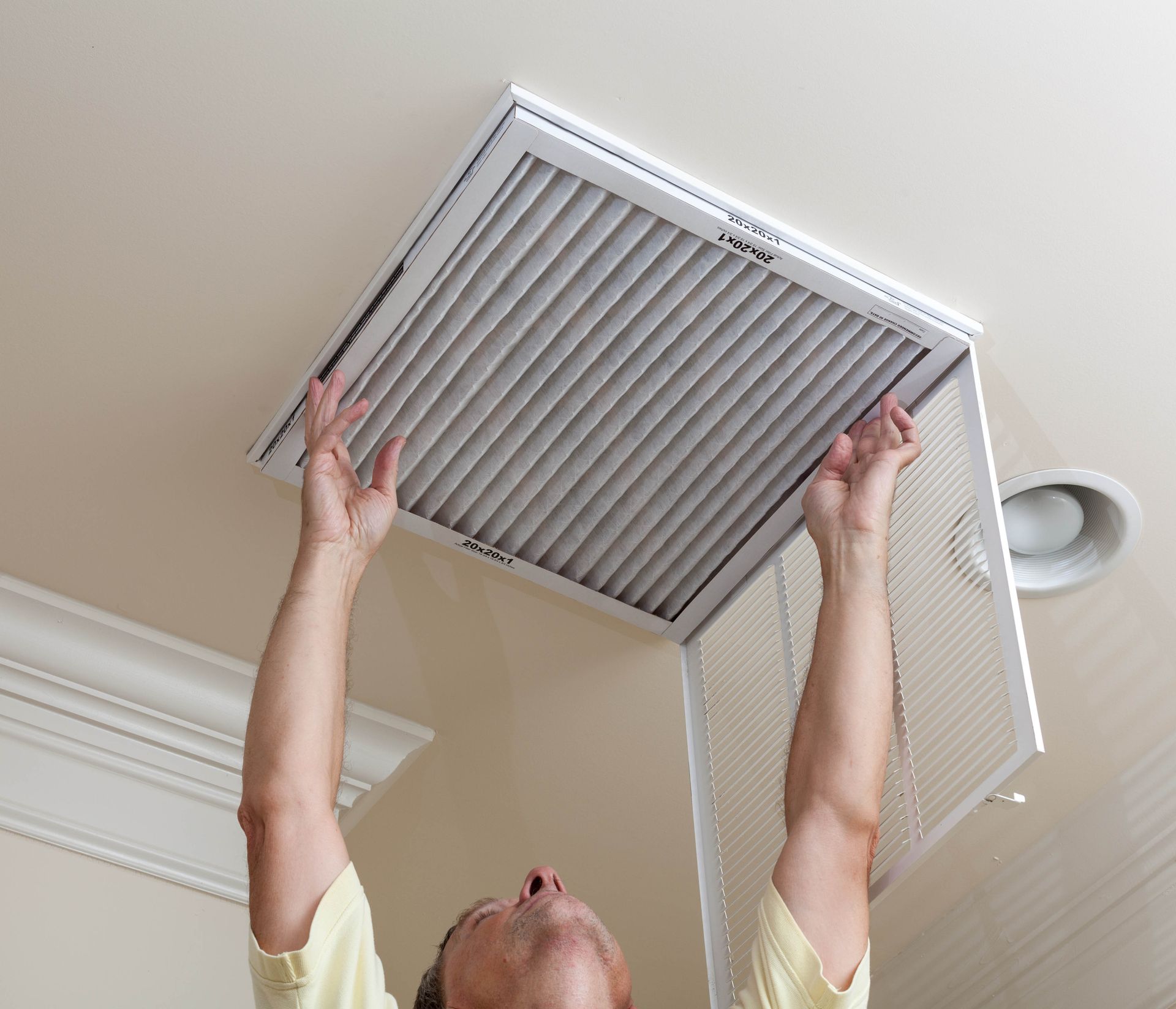
Cooling equipment relies on a steady intake of air to function correctly. The air filter stands as the primary line of defense against airborne particles that can coat internal components and disrupt performance. When a filter becomes clogged with dust, pet hair, and debris, it acts as a physical barrier that restricts airflow. This restriction forces the blower motor to draw more electricity and run longer cycles just to pull enough air into the system.
Standard disposable filters typically need replacement every one to three months, depending on your household environment. Homes with multiple pets or elevated dust levels might require changes even more frequently. Upgrading from a basic fiberglass filter to a pleated model with a higher minimum efficiency reporting value captures more contaminants without unnecessarily blocking airflow. Selecting the appropriate filter type protects your equipment while maintaining the ideal volume of air circulation throughout the property.
In some cases, the filter housing itself or the surrounding air return configuration contributes to poor performance. If the housing is damaged or incorrectly sized, unfiltered air can bypass the filter entirely and foul the evaporator coil. Modifying the return plenum or installing a heavy-duty media cabinet are specialized HVAC repairs that solve structural filtration issues. These upgrades ensure your system breathes easily and operates at peak efficiency during the hottest days of the year.
3. Fix Failing Cooling Components
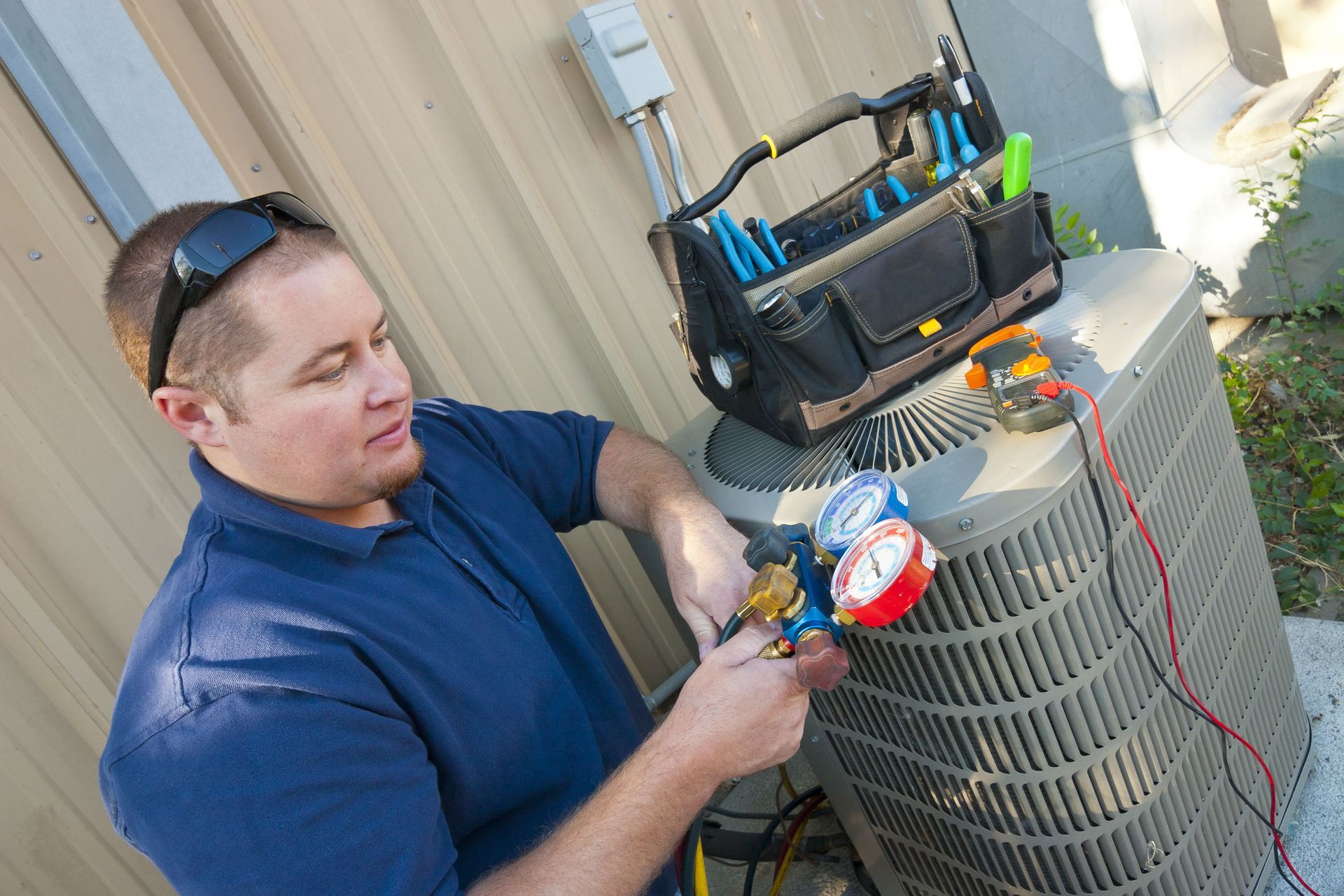
The heart of your air conditioning system contains several vital parts that must work together seamlessly. The compressor, condenser coils, and evaporator coils handle the complex process of heat extraction. When one of these pieces begins to fail, the entire cooling cycle slows down. Addressing mechanical breakdowns quickly through professional HVAC repairs prevents minor malfunctions from cascading into complete system failure. Proper component function remains critical for maintaining a comfortable indoor climate.
The evaporator coil absorbs heat from your indoor air, while the condenser coil releases that heat outside. If either coil becomes excessively dirty or corroded, the heat transfer process becomes highly inefficient. Cleaning the coils often resolves minor performance drops, but severe corrosion might require full component replacement. Refrigerant leaks also cripple the cooling cycle. An undercharged system simply can't absorb enough heat, resulting in warm air blowing from your vents and ice forming on the indoor coil.
Electrical components like capacitors also degrade with years of continuous operation. A weak run capacitor can prevent the compressor or fan motors from starting properly, leading to short cycling and erratic temperature fluctuations. Replacing these relatively small electrical parts restores steady power delivery and prevents the compressor from overheating. Taking care of these mechanical and electrical shortcomings ensures your unit delivers consistent cooling output exactly when you need it.
4. Address Wear and Tear
Even with regular filter changes and clean coils, everyday operation naturally wears down various moving parts within your air conditioner. The blower motor and fan assemblies spin thousands of times per day to circulate air. Over several seasons, the bearings inside these motors can dry out and create friction. This friction reduces motor speed, lowers air volume, and generates excess heat that compromises overall efficiency.
The belts connecting the motor to the blower fan can also stretch, fray, or slip out of alignment. A slipping belt causes the fan to turn slower than intended, drastically reducing the amount of cold air pushed into your living spaces. Completing routine HVAC repairs to replace worn belts and lubricate motor bearings restores the original factory specifications. These minor tune-ups make a noticeable difference in how forcefully the air flows out of your ceiling and floor registers.
Thermostat degradation represents another form of wear and tear that negatively impacts cooling performance. Older units or improperly calibrated sensors can misread the indoor temperature by several degrees. This causes the air conditioner to shut off early or run longer than necessary. Upgrading to a modern programmable model or recalibrating your current device provides precise control over your indoor climate. Accurate temperature readings prevent wasted energy and ensure your cooling cycles match your comfort needs.
Maintaining a comfortable home requires paying attention to the subtle signs of cooling inefficiency. From sealing leaks in your ductwork to addressing mechanical wear and tear, proactive maintenance keeps your equipment running smoothly. Scheduling professional HVAC repairs at the first sign of trouble minimizes energy waste and enhances your daily comfort. Ignoring small problems only leads to restricted airflow, poor temperature control, and inflated utility expenses.
By upgrading filtration components and fixing failing parts, you protect the investment you made in your cooling system. Your air conditioner operates as a complex machine that needs all of its parts functioning in harmony to achieve maximum performance. Taking steps to resolve these four common areas of concern ensures you stay cool.
Contact A & D HVAC LLC today to schedule your HVAC repairs and ensure your home stays cool all summer.