January 16, 2026
By Dillon Boone | January 16, 2026
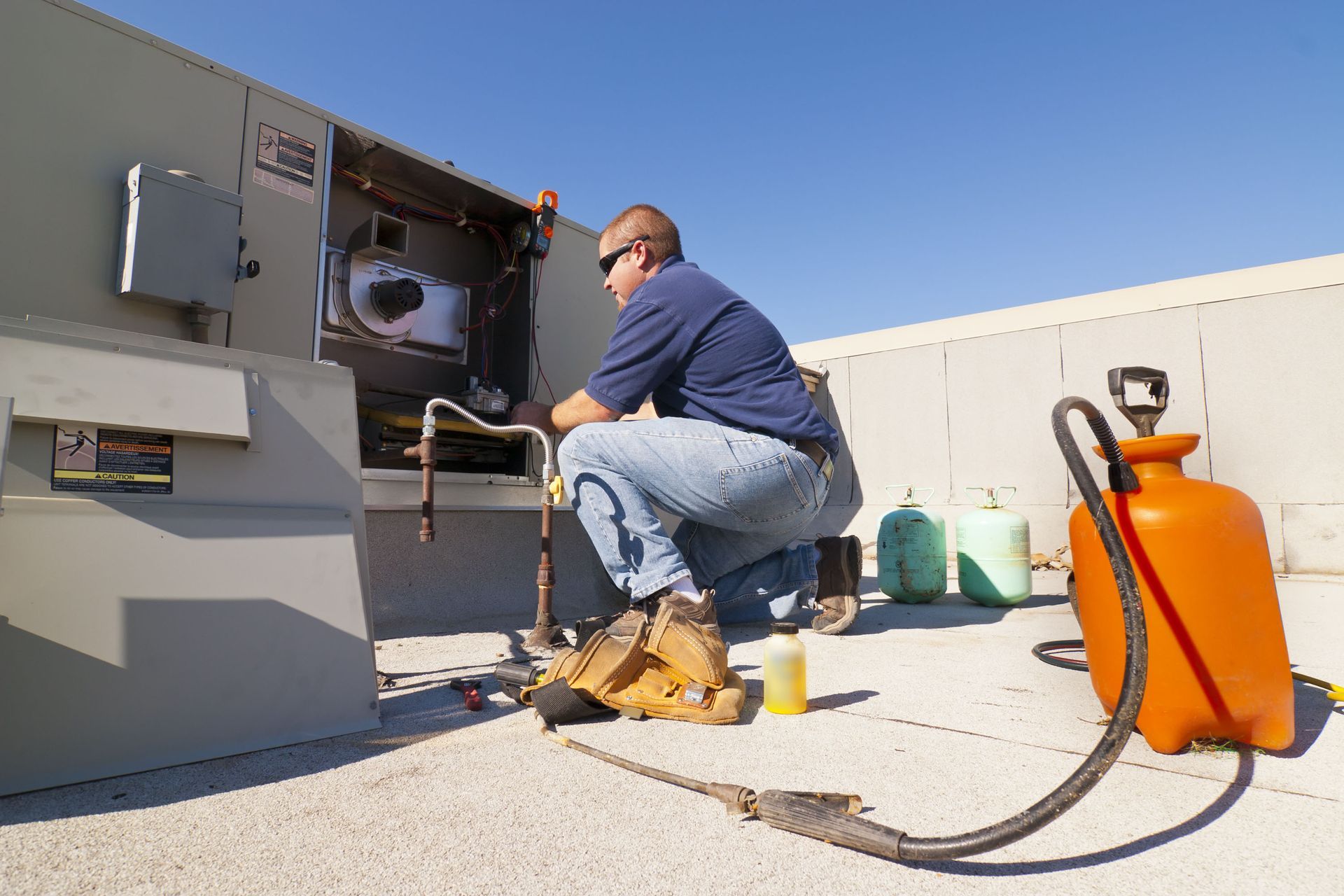
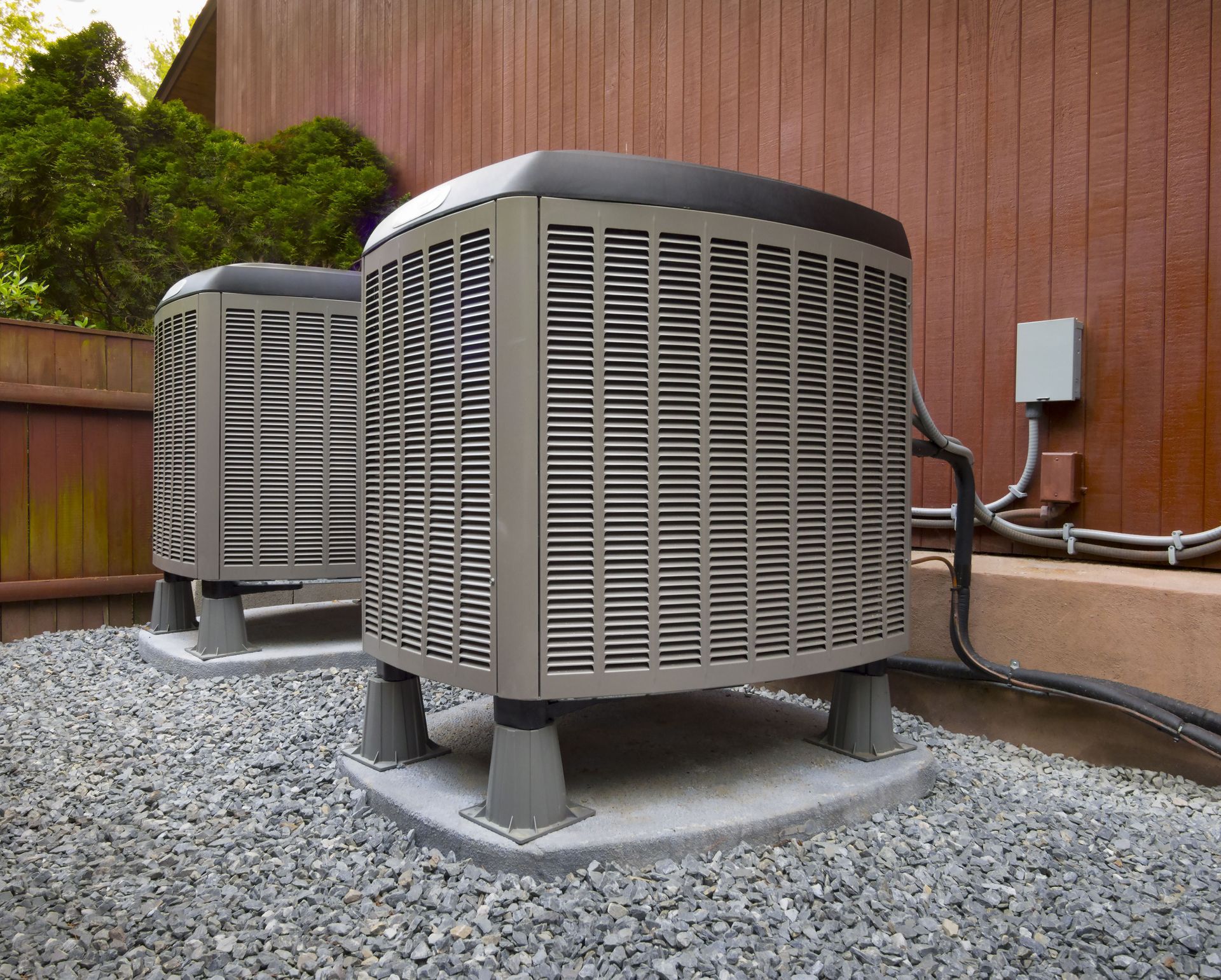
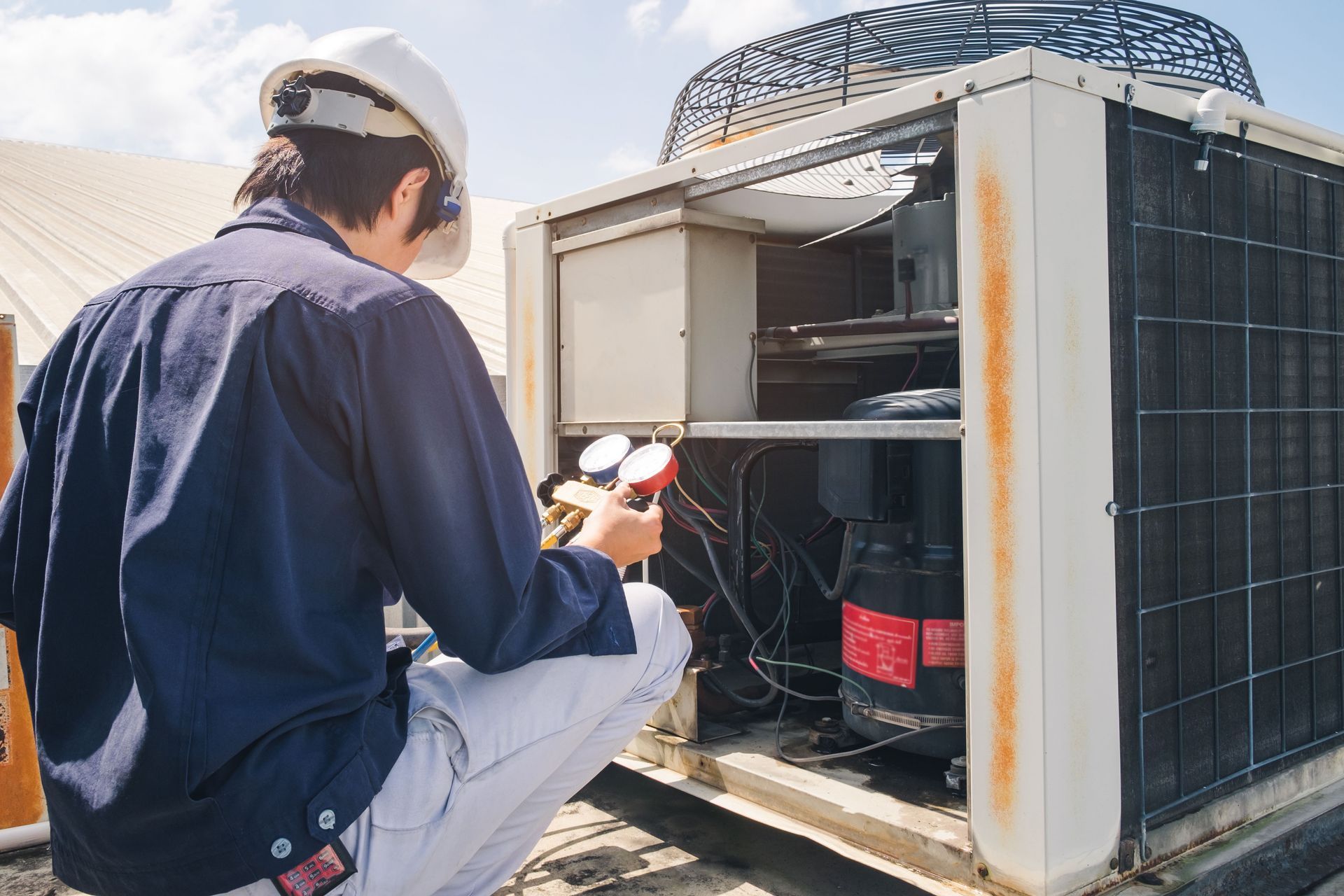
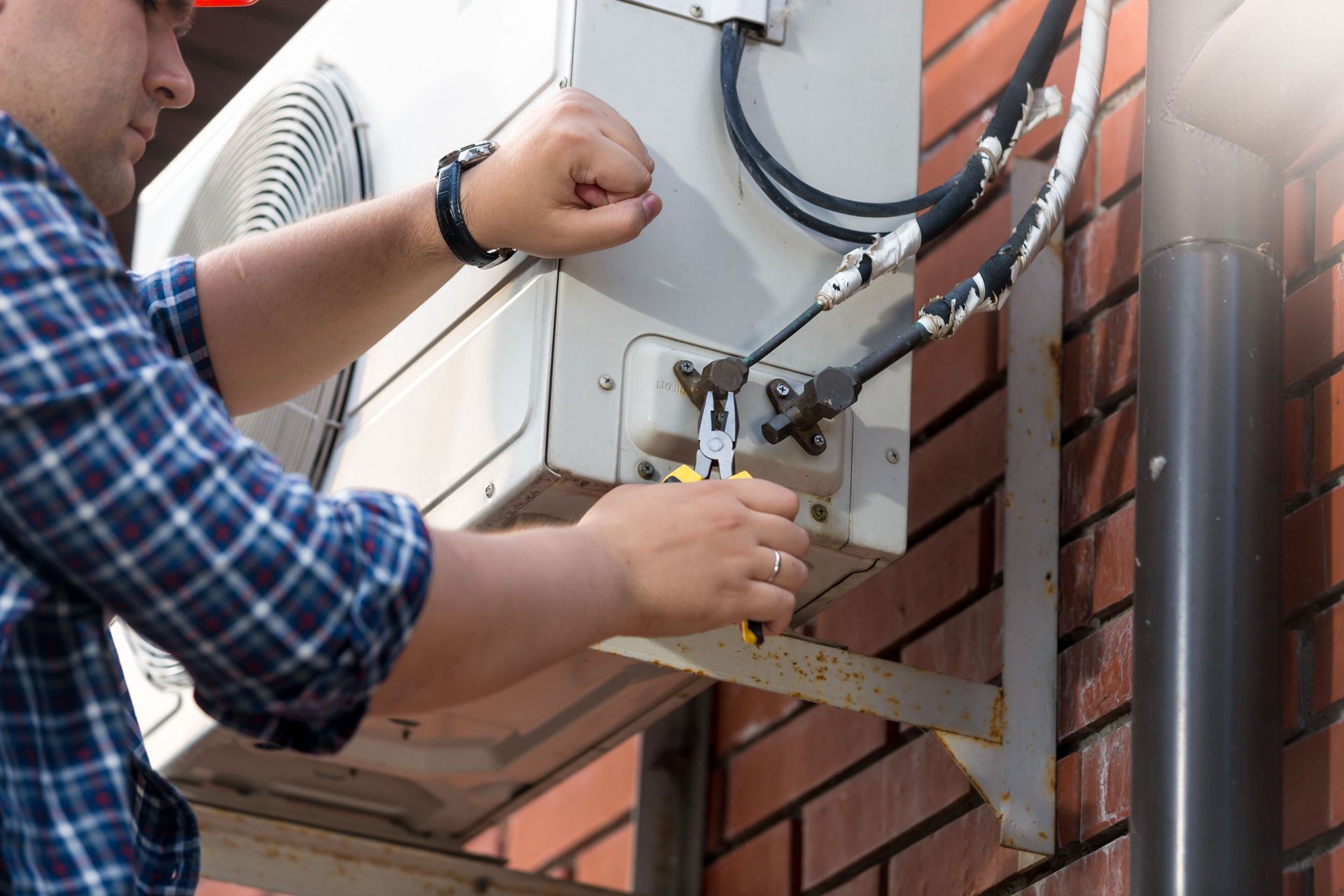
In recent years, there has been a noticeable shift among homeowners towards upgrading to high-efficiency HVAC systems. The importance of HVAC systems extends beyond mere comfort; they play a critical role in shaping energy consumption patterns within residential spaces. Many homeowners now consult an experienced HVAC contractor to determine whether their existing system is outdated or inefficient. Older HVAC units are often marked by high energy consumption and reduced efficiency, leading to increased emissions and environmental impact. With the growing awareness of climate change and environmental degradation, homeowners are becoming more conscious of their ecological footprint. Upgrading to a high-efficiency HVAC system not only caters to energy efficiency but also promotes environmental sustainability.
Economic Benefits
Energy costs are a significant part of household expenses, and inefficient HVAC systems can drive these costs up considerably. High-efficiency HVAC systems consume less energy while delivering better performance, leading to substantial reductions in monthly utility bills. As energy prices continue to rise, the savings accrued over time by investing in an efficient system can be substantial. Initial costs may be higher for these systems, but the long-term financial relief offsets the investment. Many homeowners work closely with an HVAC contractor to determine the best model for their home and budget. These savings allow homeowners to allocate their budgets towards other essential needs or home improvements.
Homes fitted with energy-efficient systems often see a boost in market value. Buyers are increasingly looking for homes with green certifications and efficient systems, as they signify lower future costs and responsible environmental behavior. The presence of a high-efficiency HVAC system can be a decisive factor in a buyer's decision-making process. Knowing that a home will incur lower operational expenses is an attractive selling point. Additionally, some jurisdictions offer certifications and ratings that further validate a home's appeal and market value.
Governments and local bodies have launched various programs to encourage homeowners to adopt energy-efficient technologies. These programs often entail tax credits and financial incentives for installing high-efficiency HVAC systems. Such incentives can substantially lower the upfront costs, making it economically viable for more families to consider upgrading. A knowledgeable HVAC contractor can guide homeowners through available rebates and incentive programs, ensuring they maximize these financial benefits. Taking advantage of these incentives not only saves money but also supports a community's transition towards more sustainable living methods.
Environmental Impact
Efficient HVAC systems significantly reduce the carbon emissions typically associated with heating and cooling homes. By utilizing less energy to achieve desired climate settings, these systems contribute to the lowering of a home's carbon footprint. Over time, this collective reduction can have a meaningful impact on global emissions levels. The environmental benefits extend beyond carbon, contributing to enhanced air quality and reduced pollutant levels. As more homeowners transition to these systems, the aggregated effect supports broader goals of environmental conservation.
High-efficiency HVAC systems align well with sustainable home practices that promote reduced energy consumption and environmental responsibility. Homes equipped with these systems reflect a commitment to sustainable living, leveraging technology to decrease ecological impact. Such systems complement other sustainability initiatives, like solar panels or rainwater harvesting, presenting a cohesive approach to home energy management. As public consciousness about sustainability grows, homeowners adopting these systems are better aligned with communal and personal environmental goals. This synergy between efficient systems and eco-friendly practices fosters a culture of responsible resource management.
Utilizing less energy conserves essential natural resources such as oil, coal, and gas. High-efficiency HVAC systems require fewer of these resources, contributing less to their rapid depletion. Moreover, the reduced reliance on non-renewable energy enhances the viability and longevity of existing reserves. As these systems become more widely adopted, they act as a driver for energy-related shifts towards renewable sources. The role of efficient HVAC systems as stewards of resource conservation cannot be overstated in the context of the global energy crisis.
Improved Indoor Air Quality
Modern high-efficiency HVAC systems feature advanced filtration technologies that enhance indoor air quality. These filters effectively capture pollutants, dust, and allergens, promoting a healthier indoor environment. Enhanced air quality is particularly beneficial for individuals suffering from respiratory issues or allergies. The cleaner air resulting from these systems offers households a more comfortable living experience, free from common irritants. Furthermore, these innovative filters require maintenance less often, further adding to the system's efficiency.
Humidity plays a vital role in achieving indoor comfort, and high-efficiency HVAC systems excel at maintaining ideal humidity levels. Advanced systems achieve balanced humidity, preventing problems associated with excess moisture or dryness. Optimal humidity levels reduce the chances of mold growth and other moisture-related issues that can compromise indoor air quality. Living in a home with regulated humidity contributes extensively to overall comfort and health. These systems allow homeowners to tailor their indoor climates for seasonal changes and personal preferences.
Efficient HVAC systems stand out in their ability to diminish allergens significantly within the home environment. Enhanced filtration capabilities trap pollen, pet dander, and other potential allergens, preventing their circulation indoors. Homeowners benefit from a substantial reduction in allergen levels, creating a more hospitable living space for those sensitive to such particles. This reduction in contaminants contributes to a noticeable improvement in air quality. Moreover, families experience fewer allergy-triggered incidents, promoting overall well-being and comfort.
Technological Advancements
The integration of connectivity features and smart thermostats revolutionizes how homeowners interact with HVAC systems. Users can manage home climates remotely, customizing settings through smartphone applications or other connected devices. This control enhances convenience, allowing adjustments from anywhere, anytime. Smart thermostats also offer insights into energy consumption, enabling more informed decisions on usage patterns. These advancements represent a modern approach to residential climate management, offering users unprecedented control and efficiency.
Variable-speed functionality is a hallmark of high-efficiency HVAC systems, offering precise temperature control and enhanced energy savings. Multi-speed motors adjust the system's operation according to the home's immediate requirements, avoiding energy waste associated with single-speed models. Consistent climate control reduces the frequency of system startups, extending the equipment's operating lifespan, and minimizing stress on components. This feature not only boosts efficiency but also ensures a quieter operation, significantly enhancing living conditions. The system's ability to adapt dynamically results in further energy conservation, proving an investment in both comfort and savings.
High-efficiency HVAC systems are designed with noise reduction technologies, making them quieter than their predecessors. This improved operation minimizes disturbances, enabling a more serene and enjoyable home environment. Enhanced sound-dampening technologies operate quietly, creating an ambiance free from the mechanical noise traditionally associated with HVAC units. Reduced noise levels contribute to better sleep and overall household relaxation. Homeowners frequently cite this quiet operation as one of the most immediate and noticeable benefits upon upgrading their HVAC systems.
Regulatory Compliance
Federal and state energy standards are becoming increasingly stringent, necessitating upgrades to more efficient systems. High-efficiency HVAC systems are designed to meet or exceed these new standards, ensuring compliance with regulatory requirements. Homeowners who upgrade to these systems avoid potential penalties or increased costs associated with non-compliance. In addition to meeting standards, these upgrades represent a proactive approach to future-proofing home infrastructure. An experienced HVAC contractor can help homeowners navigate these requirements effectively. As standards evolve, these systems will continue to meet energy efficiency benchmarks, securing their long-term viability.
Growing environmental regulations aim to reduce emissions and promote sustainable energy use across industries. These measures have pushed manufacturers to innovate, creating HVAC systems that align with stringent environmental requirements. By upgrading to high-efficiency systems, homeowners align themselves with these regulatory goals, leading by example in local communities. Such systems contribute to broader environmental objectives by minimizing emissions, promoting a healthier planet. Compliance with these regulations not only benefits the environment but also reflects positively on a homeowner's conscientiousness and responsibility.
Upgrading to high-efficiency HVAC systems presents numerous benefits that extend across economic, environmental, health, and technological dimensions. Homeowners who transition to these advanced systems enjoy substantial energy savings, improved comfort, and enhanced property values. Environmental benefits are pronounced, contributing to reduced emissions and supporting global sustainability efforts. Moreover, advancements in technology and compliance with evolving standards ensure that these systems represent a prudent and forward-thinking investment. Homeowners interested in exploring these options should connect with a trusted HVAC contractor to determine the best system for their home. For more information about the services that we offer, reach out to our incredible team at A&D HVAC LLC today!